Bipolar Disorder
Symptoms, Types and Online Psychiatrist from ₹700
If you suspect bipolar disorder because your moods or energy have swung to extremes, this guide can help. You can then speak privately to a psychiatrist online. Pay the fee, share your concern, and we usually connect you within 1 hour.
What Is Bipolar Disorder?
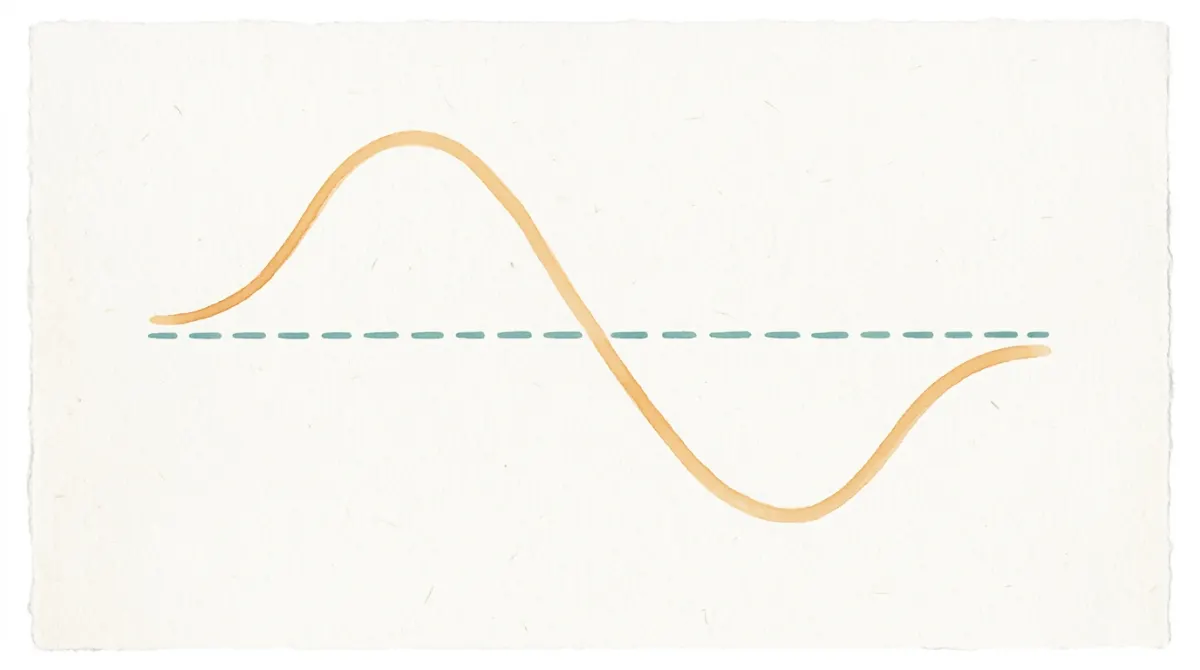
Bipolar disorder, formerly called manic depression, is a mental health condition that causes extreme mood swings. These include emotional highs, called mania or hypomania, and lows, called depression. It is different from the usual ups and downs of life because it seriously affects daily functioning. It is a lifelong condition, but a treatment plan can help manage symptoms.
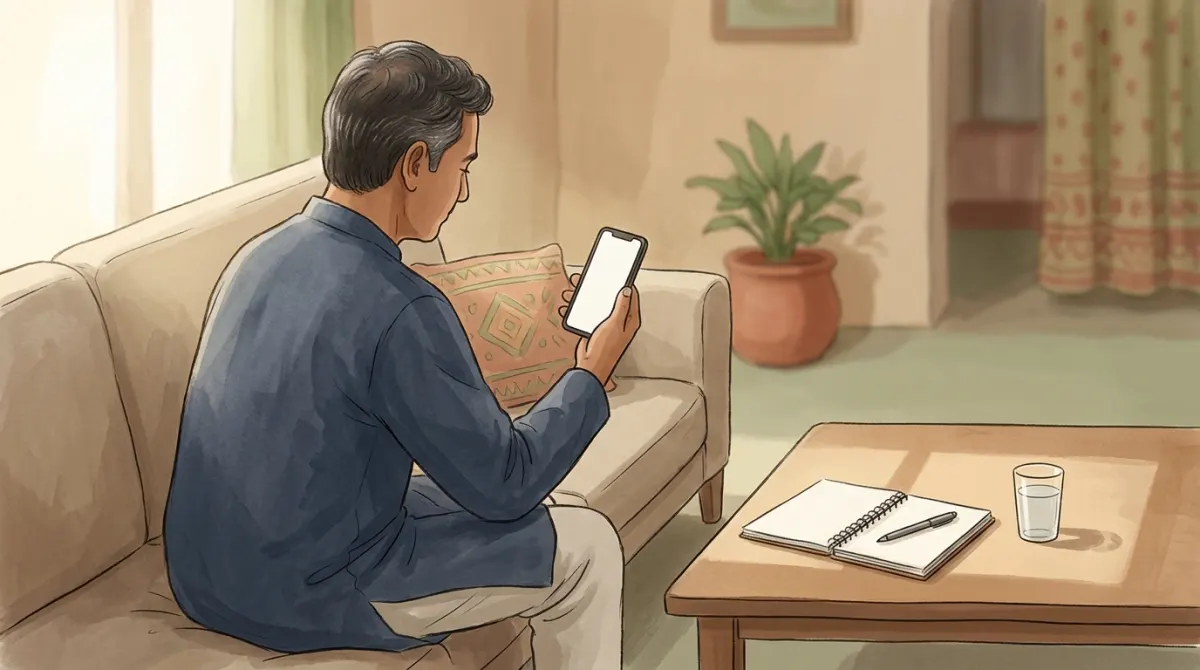
Bipolar disorder, formerly called manic depression, is a mental health condition that causes extreme mood swings. The highs are called mania or hypomania. The lows are called depression. A person may move between these states, and the pattern is different for every individual. That is why a careful history matters more than any single bad week.
These swings are not the same as ordinary ups and downs. The World Health Organization notes that mental disorders differ from usual ups and downs because they cause serious impairment in function. In bipolar illness this can mean being unable to work, study, sleep or keep relationships steady. It is a medical condition. It is not a weakness of character, a lack of willpower or a family failing.
Mayo Clinic describes bipolar illness as lifelong, yet notes you can manage mood swings and other symptoms by following a treatment plan. The US National Institute of Mental Health says it usually needs lifelong treatment. Mayo Clinic also states plainly that it does not get better on its own. So the aim is steady, supervised care, not waiting it out.
This page explains the symptoms, how types differ, how a psychiatrist assesses it, what treatment involves and how to cope day to day. It also shows how to prepare for an online psychiatry consultation. It does not replace a medical assessment of your own situation.
Psychiatrist, Psychologist or General Doctor: Who Helps With Bipolar Mood Swings?
Each professional has a different role in India.
Bipolar Symptoms, Types, Diagnosis and Treatment Explained
What to watch for, what a psychiatrist does, and how care works over time.
Symptoms of Mania, Hypomania and Depression
Bipolar illness shows up as two kinds of mood states. Highs are called mania or hypomania, and lows are depression. During a high, a person may feel unusually energetic, need far less sleep and make decisions they would normally avoid. During a low, mood may sink into sadness, emptiness or hopelessness. Not everyone has every symptom, and the mix varies. Your psychiatrist works out which kind of high you have had, and how it fits with your lows. Do not judge yourself or a relative from this list alone.
| Mood state | What it can look like |
|---|---|
| Mania or hypomania | Much more active, energetic or agitated than usual; needing much less sleep; racing thoughts or jumping quickly between topics; making poor decisions |
| Depression | Feeling sad, empty, hopeless or tearful; feeling worthless or too guilty; losing a lot of weight when not dieting |
| Suicidal thoughts | Common in bipolar illness. Seek help straight away: 112, the nearest emergency department, or Tele-MANAS 14416 |
Everyday Mood Swings vs Bipolar Disorder
Everyone feels happy, irritable or low at times. Stress, a fight or a bad night's sleep can change anyone's mood. The question is how much the mood disrupts life. The World Health Organization separates clinical conditions from normal ups and downs by serious impairment in function. Ask yourself whether the mood has stopped you from working, studying, sleeping or keeping relationships steady. Also ask whether the pattern repeats, and whether it has carried on without improving. If yes, speak to a psychiatrist rather than waiting.
| Feature | Everyday mood swings | Bipolar episodes |
|---|---|---|
| Effect on daily life | Usually still able to cope with work, study and relationships | Serious impairment in function |
| Sleep | Poor sleep after a stressful day, then settles | May need much less sleep than usual |
| Thinking and choices | Thoughts fit the situation | Racing thoughts, jumping topics, poor decisions |
| Course | Often eases as the situation changes | Does not get better on its own |
| Care needed | Usually rest, support and self-care | Medical assessment and a treatment plan |
Bipolar I vs Bipolar II: Are They Different?
Doctors recognise more than one type of bipolar illness, including bipolar I and bipolar II. Mayo Clinic is clear that bipolar II is not a milder form of bipolar I. It is a separate diagnosis. This matters because a person with bipolar II can still struggle badly, particularly with low phases. Which type fits you depends on your history of highs and lows, which only a clinician can assess. The type guides how your psychiatrist plans treatment and follow-up.
How a Psychiatrist Assesses Bipolar Illness
There is no single scan or blood test that confirms it. A psychiatrist builds the picture from your story, your sleep and mood history, and what family members have seen. Psychiatric assessments take time. At large institutes the full process can take about an hour and a half or more. So a first online consultation may be a starting point, with follow-ups planned. The doctor will also consider whether another condition, or a physical cause, could explain your symptoms.
- Describe what is happening — Explain recent mood, sleep, energy and behaviour changes in your own words.
- Share your mood history — Tell the doctor about earlier highs and lows, their length, and how they affected life.
- Rule out other causes — The doctor may advise tests or review other conditions. VinsHealth does not do tests or in-person visits.
- Agree a plan — You discuss treatment options, therapy, safety and follow-up with the doctor.
Treatment: Medicines, Talk Therapy and Long-Term Care
In most cases, healthcare professionals use medicines and talk therapy to treat bipolar illness. The US National Institute of Mental Health notes it usually requires lifelong treatment. So expect regular reviews rather than a one-time fix. Medicines are prescribed only by a doctor, after assessment, and must never be started, stopped or changed on your own. Psychologists and counsellors provide therapy but cannot prescribe. Under India's Telemedicine Practice Guidelines, doctors can consult online. Some psychiatric medicines are restricted for tele-prescribing. In some cases your doctor may ask for an in-person visit.
Daily Management, Early Warning Signs and Safety Planning
Treatment works best alongside steady daily habits. Because needing much less sleep is itself a warning sign of a high, watching your sleep is practical and useful. Many people also learn their own early warning signs, such as unusual energy, racing thoughts or a slide into hopelessness. Share these with your doctor and one trusted person. Agree on what the family will do if you become unwell, and where to call. If thoughts of suicide appear, treat it as urgent and seek help at once.
- Track sleep hours and mood daily
- Note early warning signs with a trusted person
- Take medicines only as prescribed
- Attend follow-up appointments
- Save Tele-MANAS 14416 and 112 on your phone
- Agree a family plan for a severe episode
- Tell your doctor about any sudden change
Bipolar Illness in India: Numbers, Gaps and Your Rights
The National Mental Health Survey 2015-16 estimated the prevalence of bipolar illness in India at 0.6% (0.5-0.7). The same survey found a large treatment gap. This means many people with a mental health condition receive no care at all. For severe mental disorders the gap was 73.6%. Stigma and distance from specialists can both play a part. The Mental Healthcare Act 2017 makes access to mental health care a statutory right. Private online consultations are one way to start, wherever you live.
How to Prepare for an Online Psychiatric Consultation
A little preparation helps you use the time well. Write down what has changed and when it began. If you can, ask a family member who has seen you in different moods to describe what they noticed. Choose a private, quiet spot with a stable connection. By booking, you give consent to a tele-consultation, as the national telemedicine guidelines require. Keep your ABHA ID handy if you have one, since health records can be linked to it.
- A short timeline of recent mood and sleep changes
- Notes on earlier highs or lows
- Names of any current medicines and past treatment
- Family history of mental health conditions
- Recent medical reports, if any
- Your ABHA ID, if you have one
- A quiet, private place and a charged phone
How to Book a Psychiatrist Consultation Online
Who You Will Speak To
Psychiatry consultations on VinsHealth are taken by doctors with an MD or DNB in psychiatry. You can ask for your doctor’s medical council registration number before your consultation.
Why People Choose Online Psychiatry for Mood Concerns
Online Psychiatrist for Bipolar Concerns in Your City
Consultations are online and available across India. We do not run in-person clinics.
Frequently Asked Questions About Bipolar Disorder
Sources and Further Reading
- Bipolar disorder - Symptoms and causes — Mayo Clinic
- Bipolar Disorder — NIMH
- Mental disorders — WHO
- Telemedicine Practice Guidelines — MoHFW
- eSanjeevani National Telemedicine Service — MoHFW
- Medical facts on this page come from 5 trusted sources (Mayo Clinic, NIMH, WHO, MoHFW), listed under Sources.
- Drafted with AI assistance, then checked by a separate editorial review against those sources and Google’s guidelines for health content.
- Before publishing, an independent fact-check by a different AI system compared the numbers and medical claims with the sources, the source links were tested, and the text was checked for originality.
- Not yet reviewed by a doctor. Reviewed pages show the reviewer’s name and registration number at the top.
- No doctor names, ratings or patient numbers are shown unless they are real and can be checked. Spotted a mistake? Write to us and we will correct it.
This page gives general information about mental health and psychiatric care. It is not a diagnosis or prescription. Never stop or change a medicine without your doctor. If you are in danger, call 112 or Tele-MANAS 14416. Last updated: 23 November 2026.
Talk to a Psychiatrist Privately Today
Share what you or your family member is facing and speak to a doctor from home. Consultations run 10 AM-6 PM for ₹700. For emergencies, call 112 or Tele-MANAS 14416.